
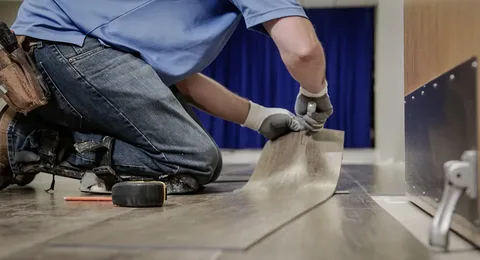
Luxury vinyl plank has become one of the most popular floor choices in Northern Virginia. It looks like real wood, handles water well, and stands up to daily traffic. Still, the final result depends on the work behind it. A good LVP installation needs a flat subfloor, careful planning, and the right tools. Homeowners in Ashburn often ask what the process involves and how long it takes. This guide from Floors Bay explains the basics in plain language, so you know what to expect before the first plank goes down.
What Does LVP Installation in Ashburn, VA Involve?
Most projects start with a walkthrough. The installer measures each room, checks the moisture level, and looks at the existing floor. Old carpet, tile, or laminate usually comes out first. Next comes subfloor preparation, which may include patching low spots and sanding high ones. After that, the crew lets the planks sit inside the home for a day or two so they adjust to indoor temperature. This step, called acclimation, keeps the floor stable once it is down.
The install itself moves fast when the prep is done right. Most vinyl plank flooring uses a click-lock system, so the planks snap together and rest on top of the subfloor as a floating floor. Installers stagger the seams, leave a small gap along the walls, and cut around doorways and vents. Trim and transition strips go on last. A single room takes about one day, while a full main level of luxury vinyl plank flooring installation in Ashburn can run two to three days.
How Do You Prepare a Subfloor for Vinyl Plank Flooring in Ashburn Homes?
Subfloor preparation decides how the finished floor feels underfoot. Vinyl planks are thin and flexible, so they follow the shape of whatever sits beneath them. A dip of even a quarter inch can create a soft spot or a gap at the seam. Installers use a long straightedge to find these areas, then fill them with a leveling compound. On concrete slabs, they also test for moisture, because trapped humidity can loosen adhesive and lift plank edges over time.
Many Ashburn homes have finished basements, and that changes the plan. Concrete needs to cure and dry fully before any flooring goes down. Crews often add a vapor barrier or choose a plank with an attached pad for warmth and sound control. Waterproof vinyl plank flooring for basements works well here, since spills and small leaks will not swell the core. Skipping prep is the fastest way to ruin a good product, so a careful LVP installation always starts from the ground up.
How Much Does LVP Installation Cost in Ashburn, VA?
Pricing depends on the material grade, the room size, and the shape of the existing subfloor. Most contractors quote the cost of LVP installation per square foot for labor, then add the material on top. Thicker planks with a stronger wear layer cost more, but they hold up better in busy hallways and kitchens. Removing old flooring, hauling debris, and leveling a rough slab all raise the total. When you compare quotes, ask what each one includes.
Homeowners often search for the cost of LVP installation in Ashburn, VA per square foot and find a wide range online. National averages help, but local labor rates and home layouts matter more. Stairs, closets, and angled rooms take extra time and add cost. Floors Bay gives a written estimate after measuring, so there are no surprises later. A clear breakdown also lets you adjust the plan, such as choosing a mid-range plank for bedrooms and a tougher one for the entry.
Why Do Ashburn Homeowners Choose Waterproof Vinyl Plank Flooring?
Weather in Northern Virginia swings from humid summers to cold, snowy winters. Wood floors react to that change by expanding and shrinking. Vinyl planks stay far more stable, which is why so many families pick them for kitchens, entryways, and lower levels. The surface resists scratches from pets and toys, and cleaning takes little more than a broom and a damp mop. That mix of comfort and low upkeep explains the steady demand for flooring installation across the area.
Basements show the difference most clearly. Waterproof vinyl plank flooring for basements handles damp air better than carpet or engineered wood, and it feels warmer than bare concrete. Upstairs, the same planks keep one look flowing from room to room. Families planning luxury vinyl plank flooring installation in Ashburn often finish the whole main level at once for that reason. Floors Bay helps match the wear layer to each space, so the busiest rooms get the toughest plank.
Conclusion
A floor lasts longer when the prep, the product, and the crew all match the room. Take time to check moisture, level the subfloor, and pick a plank that fits how you live. If you plan a luxury vinyl plank flooring installation in Ashburn, ask for a written estimate that lists the cost of LVP installation near Purcellville VA per square foot along with any prep work. For lower levels, waterproof vinyl plank flooring for basements remains the safest choice. Floors Bay serves Ashburn, VA homeowners who want a straightforward LVP installation done right the first time.
Frequently Asked Questions
1. How long does an LVP floor take to install in an Ashburn home? Most single rooms are finished in one day. A full main level usually takes two to three days, depending on the layout. Extra prep, such as leveling a slab or removing old tile, can add another day to the schedule.
2. Can vinyl planks go over my existing floor? Often, yes. Vinyl plank flooring can float over tile, hardwood, or well-bonded vinyl if the surface is flat, dry, and solid. Carpet must always come out first. An installer checks the height at doorways before deciding.
3. Is waterproof vinyl plank flooring really waterproof? The plank itself will not swell or warp from water. Seams and edges can still let liquid reach the subfloor if a spill sits for hours. Wipe up standing water quickly, especially near dishwashers and entry doors.
4. Do I need a vapor barrier over concrete? In most Ashburn basements, yes. Concrete releases moisture for years, even when the surface feels dry. A moisture test tells you what the slab is doing, and a barrier or padded plank protects the floor from below.
5. How do I care for the floor after installation? Sweep or vacuum on a soft setting, then mop with plain water or a cleaner made for vinyl. Skip wax, steam mops, and harsh scrubbers. Felt pads under furniture legs prevent dents and scratches over the years.