
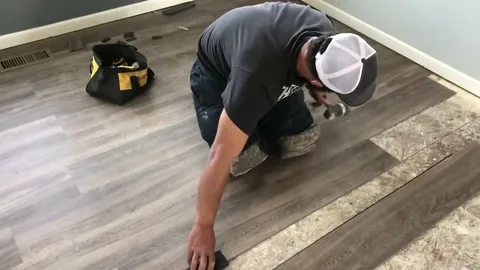
Choosing new flooring can change the comfort, appearance, and function of your home. However, homeowners often want a surface that looks attractive and handles everyday use. Luxury vinyl flooring offers a practical option for busy households. It combines appealing designs with easy maintenance and dependable performance.
With reliable LVP/LVT Installation homeowners can enjoy flooring that suits different rooms and interior styles. These products can recreate the appearance of natural hardwood, stone, and tile. Furthermore, they offer various colors, textures, and patterns to match different design preferences.
Floor Bay understands that successful flooring projects require careful planning and attention to detail. The right flooring choice depends on room conditions, household activities, and personal preferences. Therefore, homeowners should consider both the material and installation process before starting a project.
Reston, VA, homeowners can explore several flooring styles for kitchens, living rooms, bedrooms, and other spaces. Additionally, property owners in Dulles, VA, can benefit from understanding the differences between luxury vinyl plank and luxury vinyl tile. Knowing these details makes it easier to select flooring that supports everyday needs.
Understanding LVP and LVT Flooring Options
Luxury vinyl flooring comes in several formats. Two popular choices include luxury vinyl plank (LVP) and luxury vinyl tile (LVT). Although both use vinyl-based materials, they offer different visual styles.
LVP usually features plank-shaped pieces that resemble hardwood. Meanwhile, LVT comes in tile-shaped designs that can imitate natural stone, ceramic, or other surfaces. Both options provide flexibility for residential interiors.
How LVP and LVT Differ
LVP works well for homeowners who appreciate the warmth and appearance of wood flooring. Its plank designs can complement traditional, modern, and contemporary interiors.
LVT offers more tile-inspired patterns. Consequently, it can suit bathrooms, kitchens, entryways, and other areas where homeowners prefer a stone-like appearance.
Before choosing either option, consider these practical factors:
- Appearance: Select patterns that complement your existing furniture and interior design.
- Room function: Consider how frequently people use the space.
- Surface texture: Explore finishes that provide the appearance and feel you prefer.
- Product thickness: Compare product specifications and construction.
- Maintenance: Review cleaning instructions before making a purchase.
Both products can provide attractive flooring when homeowners select suitable materials. However, product quality and installation methods influence long-term performance.
Benefits of Professional LVP/LVT Installation
Proper installation plays a major role in flooring performance. Even high-quality materials can develop problems when installers overlook preparation or follow incorrect procedures.
Professional expert LVP/LVT Installation helps homeowners achieve a consistent appearance and dependable floor structure. Moreover, experienced installers understand how different flooring products respond to room conditions.
Why Installation Quality Matters
A successful flooring project begins with a careful assessment. Installers should examine the existing floor, identify uneven areas, and check moisture conditions when required.
They must also follow the manufacturer’s instructions. For example, some products require acclimation before installation, while others have specific temperature requirements.
Consider these five installation factors:
- Subfloor inspection: Check for damage, uneven surfaces, and moisture concerns.
- Surface preparation: Remove unsuitable materials and prepare the base properly.
- Accurate measurements: Measure rooms carefully to reduce unnecessary cuts and waste.
- Expansion allowances: Follow manufacturer guidelines for required movement gaps.
- Final inspection: Check joints, edges, transitions, and overall appearance.
Furthermore, proper planning helps prevent avoidable installation issues. Therefore, homeowners should discuss preparation requirements before work begins.
A qualified flooring professional can also explain which installation method suits the selected product.
Choosing the Right Luxury Vinyl Flooring for Your Home
Flooring should match the purpose of each room. A product that works well in a bedroom may not provide the best solution for every kitchen or entryway.
Fortunately, quality LVP Flooring Contractors service can help homeowners understand product options and installation requirements. Their guidance can make the selection process easier.
Exploring Materials, Designs, and Performance
Start by considering the room’s daily activities. For example, family rooms may experience frequent foot traffic, furniture movement, and regular cleaning.
Likewise, kitchens need flooring that can handle common household spills. However, homeowners should never assume every vinyl product is fully waterproof. Always check its specifications and installation requirements.
Here are five useful selection tips:
- Wear layer: Compare protective wear-layer specifications for expected household activity.
- Core construction: Understand the differences between available product constructions.
- Design: Choose colors and patterns that complement your interior.
- Water resistance: Check the manufacturer’s rating and product limitations.
- Warranty: Review coverage, exclusions, and maintenance conditions.
Additionally, consider how natural and artificial lighting affect flooring colors. A sample can look different under showroom lighting than it does at home.
Preparing Your Property for a Flooring Project
Good preparation helps create better installation conditions. Before work begins, homeowners should understand what the project involves and how to prepare their rooms.
The preparation process may vary depending on the existing flooring, subfloor condition, and selected vinyl product. Therefore, an initial assessment helps identify potential concerns.
Important Steps Before Installation
Start by removing small furniture, personal belongings, and other items from the work area. Additionally, discuss large furniture and appliance arrangements with the installation team.
Homeowners should also address existing floor problems before installing new materials.
Five practical preparation steps include:
- Clear the space: Remove movable furniture and personal belongings.
- Inspect the existing floor: Identify loose materials, damage, or uneven sections.
- Check moisture: Address moisture concerns before covering the subfloor.
- Discuss transitions: Plan how new flooring will meet adjoining surfaces.
- Confirm project details: Review product selections, installation methods, and scheduling.
Moreover, homeowners should ask about old flooring removal and disposal. These tasks can affect the project timeline and overall cost.
Floor Bay recognizes that preparation deserves the same attention as the visible installation work. A properly prepared surface supports better results and helps reduce common flooring concerns.
Maintaining Your New LVP and LVT Floors
Regular maintenance helps preserve flooring appearance and supports its expected lifespan. Fortunately, luxury vinyl products generally require straightforward cleaning routines.
However, every product has specific care requirements. Homeowners should follow the manufacturer’s recommendations rather than relying on general cleaning advice.
Everyday Care for Better Flooring Performance
Start with regular sweeping or vacuuming. This removes dust, dirt, and small particles that may affect the floor’s finish.
Furthermore, use suitable cleaning products and avoid harsh chemicals unless the manufacturer approves them.
Follow these five practical maintenance habits:
- Clean regularly: Sweep or vacuum to remove everyday dirt.
- Wipe spills: Clean spills promptly to prevent residue and staining.
- Use suitable cleaners: Choose products approved for your flooring.
- Protect furniture: Add suitable protective pads beneath furniture legs.
- Avoid excessive water: Follow recommended cleaning methods and moisture limits.
Additionally, place appropriate mats near exterior entrances. They help collect dirt before it reaches the flooring.
Avoid dragging heavy furniture across the surface. Instead, lift items when possible or use suitable moving protection.
These simple habits can help maintain the appearance of your flooring. Consequently, homeowners can enjoy a cleaner and more attractive interior with less routine effort.
What to Expect From a Professional Flooring Project
Understanding the installation process helps homeowners make informed decisions. Every project has different requirements, but most follow a similar sequence.
Reliable professional LVP/LVT Installation in Dulles, VA involves more than placing planks or tiles. It requires planning, preparation, accurate fitting, and a final quality review.
Key Stages of the Installation Process
The first stage involves discussing the homeowner’s needs. This includes room measurements, product selection, design preferences, and project expectations.
Next, the installation team evaluates the existing floor. They identify preparation requirements and discuss any concerns before proceeding.
Five important project stages include:
- Initial consultation: Discuss flooring goals, room requirements, and preferences.
- Material selection: Compare suitable LVP and LVT products.
- Site preparation: Address subfloor conditions and remove unsuitable materials.
- Installation: Follow the selected product’s installation guidelines.
- Final review: Inspect the completed floor and discuss maintenance instructions.
Moreover, homeowners should ask about estimated timelines and possible additional work. Subfloor repairs, furniture removal, and existing material disposal may affect scheduling.
Clear communication also helps avoid misunderstandings. Therefore, discuss project details before installation begins.
A professional approach supports a more organized experience and helps homeowners understand what to expect at every stage.
Conclusion
Choosing the right flooring involves balancing appearance, durability, maintenance, and installation quality. Luxury vinyl plank and luxury vinyl tile offer attractive options for homeowners who want practical surfaces with versatile designs.
LVP can recreate the warmth of natural wood, while LVT provides tile-inspired patterns. Additionally, both options come in different finishes, constructions, and specifications. Comparing these features helps homeowners select flooring that suits their rooms and daily activities.
Proper preparation also plays an important role. A clean, suitable subfloor and careful installation can help reduce common flooring problems. Furthermore, regular cleaning and appropriate furniture protection support the floor’s appearance over time.
Homeowners looking for reliable Luxury Vinyl Flooring in Reston, VA, should compare product specifications, installation requirements, and available design options. Property owners in Dulles, VA, can follow the same approach when planning flooring improvements.
Before starting a project, consider the room’s purpose, expected foot traffic, and maintenance needs. Ask questions about product warranties, moisture requirements, and installation methods.
With informed decisions and careful workmanship, homeowners can create comfortable interiors that suit their everyday routines. The right flooring choice can also complement existing decor and support the property’s overall appearance.
FAQs
What is the difference between LVP and LVT flooring?
LVP features plank-shaped designs that resemble hardwood, while LVT uses tile-shaped designs that often imitate stone or ceramic.
Is luxury vinyl flooring suitable for kitchens?
Yes. Many products work well in kitchens because they offer water-resistant surfaces. However, check the manufacturer’s specifications before choosing a product.
How long does LVP or LVT installation take?
The timeline depends on room size, subfloor preparation, product type, and installation method. A flooring professional can provide a project estimate.
Can luxury vinyl flooring be installed over existing floors?
Sometimes. The existing surface must meet the manufacturer’s requirements. Installers should check its condition, stability, and suitability first.
How should homeowners maintain luxury vinyl floors?
Sweep or vacuum regularly, clean spills promptly, use approved cleaning products, and protect the surface from heavy furniture.