
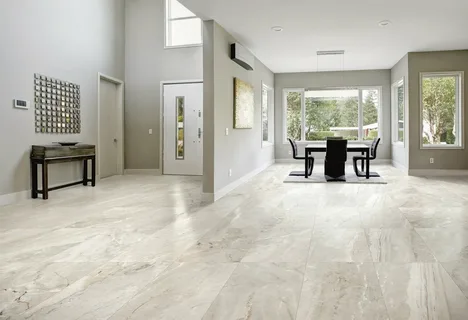
Explore porcelain tile flooring in Purcellville, VA, with guidance on subfloor preparation, tile formats, grout, slip resistance, and practical daily care.
Porcelain tile is a practical flooring option for homeowners who want a durable surface that is relatively easy to maintain. It is commonly considered for kitchens, bathrooms, entryways, and other areas exposed to frequent foot traffic. However, successful porcelain tile flooring in Purcellville, VA, depends on more than selecting an attractive color or pattern.
Floorsbay Inc provides residential and commercial flooring services, including ceramic and porcelain tile, hardwood, luxury vinyl, laminate, and carpet installation. The company also helps customers explore flooring materials and suitable installation options.
Before selecting tile, homeowners should evaluate subfloor conditions, room dimensions, grout requirements, and daily maintenance expectations. These factors influence how the finished floor performs.
Understanding the installation process also helps property owners compare materials, prepare their spaces, and make informed decisions about long-term flooring care.
Understanding Porcelain Tile Flooring
Porcelain tile is manufactured from ceramic materials that are fired under controlled conditions to produce a dense, low-absorption surface.
Professional Ceramic/Porcelain flooring services can help homeowners evaluate tile options and installation requirements.
Porcelain tiles are available in different sizes, colors, textures, and finishes. Some resemble natural stone, while others feature wood-inspired patterns.
Their suitability depends on the product’s specifications and intended installation environment.
Although porcelain is generally resistant to water absorption, an installed tile floor is not automatically waterproof. Grout joints, transitions, and underlying assemblies still require appropriate protection.
Homeowners should choose materials according to the room’s conditions rather than appearance alone.
Where Porcelain Tile Works Best
Porcelain tile can be suitable for several areas of a home.
Kitchens benefit from flooring that accommodates regular cleaning and everyday activity. Entryways may require surfaces capable of handling tracked-in moisture and dirt.
Bathrooms need particular attention to slip resistance and water management.
Laundry rooms may also benefit from appropriately selected tile, provided the supporting floor structure is suitable.
For homeowners considering Porcelain Tile Installation in Purcellville, VA, room function should guide the selection of tile texture, dimensions, and finish.
A highly polished tile may look attractive but may not be appropriate for every wet-area application.
Product ratings and manufacturer recommendations should be reviewed before making a final selection.
Preparing the Subfloor for Tile Installation
Subfloor preparation is one of the most important parts of a tile installation.
The supporting surface must meet the requirements of the selected tile system.
Uneven areas, movement, moisture concerns, or damaged materials can affect the finished floor.
An installer should assess the existing surface before beginning work.
Depending on the conditions, preparation may involve cleaning, leveling, repairing damaged sections, or installing a suitable underlayment.
Wood-framed floors require attention to structural stiffness and the tile assembly’s requirements.
Concrete surfaces should be evaluated for cracks, flatness, and moisture-related concerns.
Installing tile over an unsuitable substrate can lead to problems even when the selected tile itself is durable.
Choosing the Right Tile Size
Tile dimensions influence both appearance and installation requirements.
Large-format porcelain tiles can create a relatively continuous visual effect with fewer grout joints.
However, larger tiles often require tighter substrate flatness tolerances.
Smaller formats may provide additional layout flexibility, particularly in compact or irregularly shaped rooms.
The appropriate size depends on room dimensions, substrate conditions, and the selected pattern.
Homeowners should also consider where cut tiles will appear.
A layout that produces narrow pieces along prominent walls may be less visually balanced than one planned around the room’s dimensions.
Reviewing the layout before installation helps establish realistic expectations.
Selecting Tile Patterns and Layouts
Tile patterns can influence how spacious or visually organized a room feels.
Straight layouts provide a simple, orderly appearance.
Offset arrangements may create more movement, although the allowable offset can depend on tile dimensions and manufacturer guidance.
Wood-look porcelain may be arranged to resemble traditional plank flooring.
Decorative patterns can also be incorporated in suitable spaces.
The layout should account for doorways, cabinets, fixtures, and transitions into neighboring rooms.
An installation plan should also identify movement joints where required.
Tile patterns should complement the room without creating unnecessary material waste or complicated cuts.
Understanding Grout Selection
Grout fills joints between tiles and contributes to the finished installation.
Available grout products differ in composition, performance, and maintenance requirements.
Joint width should be selected according to tile characteristics and installation specifications.
Grout color also influences appearance.
A closely matched color creates a more continuous look, while contrasting grout emphasizes individual tiles.
Homeowners should understand that grout is not a substitute for waterproofing.
Some grout products require sealing, while others have different maintenance instructions.
Following manufacturer recommendations helps preserve the appearance of the joints and supports appropriate cleaning practices.
Managing Moisture in Bathrooms and Kitchens
Porcelain tile is often selected for spaces exposed to occasional water.
However, proper installation requires attention to the entire floor assembly.
Bathroom floors and shower areas may need specialized waterproofing depending on the location and construction.
Water can pass through certain joints or reach vulnerable areas if the system is not properly designed.
Kitchen floors also need appropriate transitions around cabinets and adjacent surfaces.
Existing leaks or moisture problems should be addressed before new flooring is installed.
Simply covering a damaged substrate with tile does not correct underlying water intrusion.
A suitable installation combines the selected tile with compatible setting materials and necessary moisture protection.
Planning Flooring Transitions
Many homes contain more than one flooring material.
Porcelain tile may meet hardwood, carpet, laminate, or luxury vinyl at doorways and adjoining rooms.
These transitions require careful planning because flooring materials can have different finished heights.
Improper transitions may create uncomfortable edges or tripping hazards.
Suitable profiles can help manage height differences and provide finished edges.
Movement requirements must also be considered where different flooring assemblies meet.
Homeowners should discuss transitions before installation, particularly when replacing existing flooring without changing adjacent rooms.
Well-planned connections make the completed project look more coordinated.
Porcelain Tile for Busy Households
Households with children, pets, or frequent visitors may prioritize easy cleaning and resistance to everyday wear.
Porcelain tile can be a useful option, but surface texture and product specifications matter.
Some finishes offer better traction than others.
Homeowners should evaluate slip-resistance information for the intended application.
Tile is also a hard surface, which may affect comfort underfoot.
Area rugs can provide additional softness in appropriate locations, provided they are secured to reduce slipping.
Selecting practical materials involves balancing durability, comfort, appearance, and maintenance preferences.
Flooring Considerations for Nearby Properties
Homeowners exploring Porcelain Floor Installation in Ashburn, VA may face similar decisions about tile dimensions, grout colors, room layouts, and existing subfloor conditions.
Some properties require replacement flooring throughout several rooms, while others involve a smaller bathroom or entryway renovation.
The appropriate approach depends on the existing materials and the intended installation.
A professional assessment can help determine whether additional preparation is necessary before new tile is installed.
Choosing a suitable flooring system is more important than selecting materials based solely on photographs.
Understanding the Installation Process
A porcelain tile project generally begins with measuring the space and inspecting existing flooring conditions.
Old flooring may need removal before the subfloor can be properly assessed.
The installer then prepares the surface according to the selected installation system.
Tile layout should be established before setting materials are applied.
Tiles are installed using compatible products, followed by grouting and any additional finishing steps required.
Setting and curing times depend on the materials used and site conditions.
Homeowners should follow the installer’s instructions before allowing regular foot traffic or moving furniture onto the new floor.
Floorsbay Inc offers flooring selection and installation assistance for homeowners planning these improvements.
Factors Affecting Porcelain Tile Installation Costs
Installation costs depend on the selected tile, room dimensions, existing flooring, and required preparation work.
Large-format tile, complicated layouts, and extensive cutting may increase installation complexity.
Removing damaged flooring or correcting substrate problems can also affect project expenses.
Additional costs may involve underlayment, waterproofing, transitions, and finishing materials.
A written estimate should identify the included work and relevant exclusions.
Homeowners should ask whether subfloor repairs or unexpected conditions will require separate approval.
Comparing detailed proposals helps clarify differences between flooring options and installation methods.
Maintaining Porcelain Tile Floors
Routine maintenance helps keep porcelain tile looking clean.
Loose dirt should be removed through sweeping or vacuuming with a suitable floor attachment.
Regular cleaning should follow the tile manufacturer’s recommendations.
Abrasive products or unsuitable chemicals may damage certain finishes or grout materials.
Spills should be addressed promptly, particularly where moisture could affect adjacent materials.
Grout joints should be monitored for deterioration or cracking.
If tiles become loose or repeated cracks develop, the underlying cause should be investigated rather than concealed.
Consistent cleaning and timely repairs help homeowners maintain the finished flooring.
Conclusion
Porcelain tile flooring offers several design and maintenance options for kitchens, bathrooms, entryways, and other residential spaces.
Successful installation depends on suitable tile selection, careful subfloor preparation, appropriate grout, and correctly planned transitions.
Floorsbay Inc provides ceramic and porcelain flooring services for property owners considering new floors.
Evaluating existing conditions and discussing installation requirements before construction helps establish a practical project scope.
Frequently Asked Questions
1. Is porcelain tile suitable for kitchen flooring?
Yes. Porcelain tile can be appropriate for kitchens when the selected product and installation system meet the room’s requirements.
2. Does porcelain tile require waterproofing?
Porcelain itself has low water absorption, but some installations need additional waterproofing beneath the tile. Requirements depend on the application.
3. Can porcelain tile be installed over existing flooring?
Sometimes. The existing surface must meet structural, stability, flatness, and compatibility requirements. An installer should assess it before proceeding.
4. Are large porcelain tiles harder to install?
Large-format tiles often require more precise subfloor preparation and handling. Installation requirements depend on the tile dimensions and product specifications.
5. How should porcelain tile grout be cleaned?
Use cleaning products recommended for the specific grout and tile. Avoid harsh chemicals or abrasive tools unless the manufacturer approves them.
6. What affects porcelain tile installation costs?
Tile selection, room size, existing floor removal, subfloor preparation, layout complexity, waterproofing, and finishing details can influence the total cost.