
Your floors play a major role in your home’s comfort, appearance, and everyday function. From busy kitchens to relaxing bedrooms, the right flooring can make each room feel more inviting. However, choosing a suitable material requires more than picking a color or pattern. You also need to consider durability, maintenance, moisture, and your household’s daily activities.
Homeowners looking to update their interiors can explore several materials, including hardwood, luxury vinyl, laminate, tile, and carpet. Each option offers different benefits. For example, hardwood adds natural character, while luxury vinyl provides a practical choice for busy households. Therefore, understanding your needs can help you make a confident decision.
When planning a home improvement project, reliable flooring solutions should balance appearance, performance, and long-term value. Floor Bay helps homeowners explore options that suit their spaces, design preferences, and renovation goals. A thoughtful approach can also prevent common problems, such as uneven surfaces, poor material selection, and unexpected maintenance costs.
In Ashburn, VA, changing seasons and everyday household activity can influence how floors perform. Additionally, homeowners in nearby Lansdowne may need to consider moisture levels, foot traffic, and the condition of their existing subfloors. Careful planning makes it easier to choose a surface that complements your home and supports your lifestyle.
Choosing the Right Flooring for Your Home
Every room has different requirements. A comfortable bedroom may benefit from a softer surface, while a kitchen needs a material that handles spills and frequent cleaning. Therefore, start by identifying how you use each space before comparing products.
Compare Materials Before Making a Decision
Hardwood remains a popular choice because of its natural grain and timeless appearance. It can also be refinished, depending on its construction and condition. However, solid hardwood may not suit areas with frequent moisture exposure.
Luxury vinyl offers another practical option. Many products imitate wood or stone while providing easier routine maintenance. Nevertheless, quality varies between products, so compare wear layers, warranties, and installation requirements.
Laminate can deliver the appearance of wood at different price points. However, its resistance to moisture depends on the product, and standing water can damage some varieties. Tile offers excellent water resistance and works well in bathrooms, laundry rooms, and other moisture-prone spaces.
Carpet provides warmth and a softer feel underfoot. Consequently, it can suit bedrooms and family rooms where comfort matters.
Match the Material to Your Lifestyle
Consider children, pets, furniture movement, and cleaning habits before choosing a surface. For example, a busy household may benefit from a scratch-resistant product with simple cleaning requirements.
Also, request samples and examine them under your home’s lighting. Colors can look different in natural daylight and artificial light. Comparing samples with your cabinets, walls, and furniture can help you avoid an unsuitable combination.
Planning Professional Flooring Installation
Even high-quality materials need proper preparation. A well-planned installation helps create an attractive surface and reduces the risk of premature wear. Before purchasing materials, assess the existing floor and identify any problems that could affect the finished result.
How Expert Flooring Installation Supports Better Results
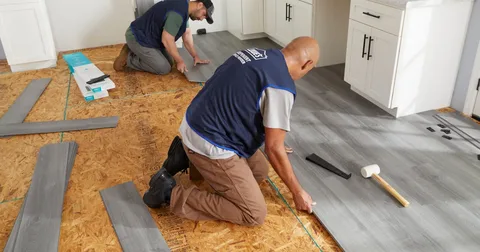
Professional flooring installation service begins with accurate measurements and a thorough inspection. Installers check the subfloor for uneven areas, damage, and moisture concerns. They also determine whether the existing surface requires removal or preparation.
Here are five practical steps to consider:
- Measure carefully: Calculate room dimensions and account for closets, doorways, and unusual layouts.
- Inspect the subfloor: Address loose boards, cracks, or uneven areas before installation.
- Check moisture levels: Follow the flooring manufacturer’s testing and preparation requirements.
- Acclimate materials when required: Some products need time to adjust to indoor conditions.
- Plan transitions: Consider how the new surface will meet adjoining rooms and existing floor coverings.
Additionally, ask about furniture removal, disposal of old materials, and the expected project timeline. These details help you prepare your home and reduce disruption.
Different products require different installation methods. For example, some vinyl planks use a floating installation, while tile requires suitable adhesives and grout. Therefore, follow the manufacturer’s instructions rather than assuming one method works for every material.
A clear installation plan also helps homeowners understand which preparation tasks affect the final cost. Discussing these details beforehand can prevent confusion and support a smoother renovation.
Working With Experienced Flooring Contractors
Choosing the right installer can be just as important as selecting the material. Experienced professionals understand how room conditions, product specifications, and installation techniques affect the finished floor. They can also identify potential concerns before the work begins.
What to Look for When Hiring Flooring Contractors
Start by comparing written estimates from qualified providers. Each estimate should explain the proposed materials, preparation work, labor, and additional charges. This approach makes it easier to compare services accurately.
Use these five practical checks when evaluating contractors:
- Review relevant experience: Ask whether the contractor has installed your preferred flooring material.
- Request references: Look for feedback from previous customers with similar projects.
- Confirm insurance: Verify applicable business insurance and any required local credentials.
- Understand the warranty: Check coverage for materials, installation, and workmanship.
- Review the project scope: Confirm what the estimate includes and what may cost extra.
Furthermore, ask how the contractor handles unexpected issues, such as damaged subfloors discovered during removal. A clear explanation can help you understand possible delays or additional expenses.
Professional flooring services in Lansdowne, VA should also include useful communication throughout the project. You should know when the work will begin, which areas will be inaccessible, and how the team will protect nearby surfaces.
Ultimately, a suitable contractor should explain the available options without pressuring you into unnecessary upgrades. Clear communication and a detailed written agreement help establish realistic expectations.
Understanding Flooring Costs and Long-Term Value
The cost of a flooring project depends on several factors. Material selection, room size, labor, subfloor condition, and installation complexity can all affect the final estimate. Therefore, compare the complete project cost instead of focusing only on the price per square foot.
Five Ways to Plan Your Budget
A realistic budget helps you balance appearance, durability, and ongoing maintenance. Consider these five practical points before approving a project:
- Compare material prices: Evaluate products with similar performance characteristics and warranty coverage.
- Include labor costs: Ask whether installation, trimming, and finishing are included.
- Allow for preparation: Budget for subfloor repairs, moisture testing, or removal of old flooring when necessary.
- Account for waste: Complex layouts and installation patterns may require additional material.
- Consider future maintenance: Compare cleaning needs, repair options, and expected product lifespan.
For example, a lower-priced material may cost less initially but require more frequent replacement in a heavily used room. Conversely, a more expensive option may offer better long-term value if it suits the space and receives proper care.
However, the most expensive material is not automatically the best choice. A well-selected laminate floor may suit a guest room, while tile could provide a more practical surface for a frequently used bathroom.
Ask for an itemized estimate that separates materials, labor, and additional services. This makes it easier to identify optional upgrades and prioritize essential work.
You should also review the warranty carefully. Some warranties exclude certain types of moisture damage, improper cleaning, or installation errors. Understanding these limitations helps you protect your investment.
Maintaining Your Floors for Lasting Performance
Regular maintenance helps preserve your floors’ appearance and makes everyday cleaning easier. However, different materials require different care methods. Using the wrong cleaning product can damage finishes, leave residue, or shorten the useful life of a surface.
Five Practical Floor Care Habits
A consistent maintenance routine does not need to be complicated. Small habits can reduce dirt buildup and help prevent avoidable damage.
- Remove loose dirt regularly: Sweep or vacuum using equipment suitable for your flooring material.
- Clean spills promptly: Follow the manufacturer’s recommendations to prevent staining or moisture damage.
- Use protective pads: Place suitable pads beneath furniture legs to reduce scratches.
- Choose compatible cleaners: Avoid harsh chemicals and abrasive tools unless the manufacturer approves them.
- Inspect high-traffic areas: Check entrances, hallways, and frequently used rooms for signs of wear.
Additionally, place entry mats near exterior doors to catch dirt and grit before they spread throughout the home. However, make sure the mats have backings suitable for your particular floor.
Humidity control also matters. Wood products can respond to changes in indoor moisture, so maintaining suitable indoor conditions may reduce excessive movement. Follow the manufacturer’s guidance for your specific material.
When damage occurs, address it early. Loose planks, cracked tiles, and deteriorating grout may become more difficult to repair if ignored. Likewise, persistent moisture should be investigated before it affects surrounding materials.
Keep product information and warranty documents in an accessible place. These records can help you identify compatible cleaning products and understand repair requirements.
Finding Flooring Solutions in Ashburn, VA, and Lansdowne, VA
Home improvement decisions often involve balancing design preferences with practical needs. Homeowners in Ashburn and Lansdowne can benefit from comparing materials, checking installation requirements, and planning maintenance before starting a project.
Make an Informed Choice for Your Space
Begin by identifying the rooms you want to update and the problems you want to solve. You might need a more durable surface for a busy hallway, a moisture-resistant option for a bathroom, or a warmer finish for a bedroom.
Next, compare samples, product specifications, and installation estimates. Ask questions about subfloor preparation, moisture protection, cleaning requirements, and warranty coverage. These details provide a clearer picture of how each option will perform.
For projects involving multiple rooms, consider how the flooring will look throughout the home. Using complementary colors and carefully planned transitions can create a consistent appearance without requiring the same material everywhere.
Professional advice can also help you evaluate products that fit your budget and household needs. However, take time to compare recommendations and verify important details before making a final commitment.
A successful flooring project should improve daily comfort while supporting your home’s design. With realistic planning and suitable materials, you can create spaces that remain attractive and functional for years.
Conclusion
Choosing new floors involves more than selecting a material that looks attractive. You also need to consider room conditions, household activity, installation requirements, and long-term maintenance. By comparing these factors, you can make a decision that supports both your design goals and your budget.
Homeowners should begin by identifying the needs of each room. Hardwood can provide natural character, luxury vinyl offers practical design options, and tile suits many moisture-prone areas. Meanwhile, laminate and carpet may work well in spaces with different comfort and maintenance requirements.
Careful preparation also plays an essential role. Accurate measurements, suitable subfloor conditions, and proper installation methods can help reduce common problems. Furthermore, reviewing written estimates and warranties makes it easier to understand the full scope of a renovation.
For homeowners seeking reliable flooring contractors in Ashburn, VA, comparing experience, project details, and communication practices can help identify a suitable provider. Residents in Lansdowne can use the same approach when evaluating local options and planning improvements.
Floor Bay can be part of your research as you explore materials and consider your home’s renovation needs. Take time to discuss your preferences, review available products, and understand the requirements of each option before committing.
Finally, establish a maintenance routine that matches your chosen material. Regular cleaning, prompt spill removal, and simple protective measures can help preserve the finished surface. With informed decisions and thoughtful care, your updated floors can provide lasting comfort and complement your home for years to come.
FAQs
What flooring materials work well in residential homes?
Hardwood, luxury vinyl, laminate, tile, and carpet are common choices. The best option depends on the room, moisture exposure, budget, and maintenance preferences.
How do I choose the right flooring for a busy household?
Consider durability, scratch resistance, cleaning requirements, and expected foot traffic. Compare product specifications before choosing a material.
How long does flooring installation usually take?
The timeline depends on room size, material, subfloor preparation, and installation complexity. Ask your contractor for a project-specific schedule.
Should I remove my existing flooring before installing a new surface?
Not always. Some products can go over suitable existing surfaces, while others require removal. The installer should assess the condition and compatibility of the current floor.
How can I keep my new floors looking their best?
Sweep or vacuum regularly, clean spills promptly, use suitable cleaning products, and protect surfaces from scratches. Always follow the manufacturer’s maintenance instructions.