
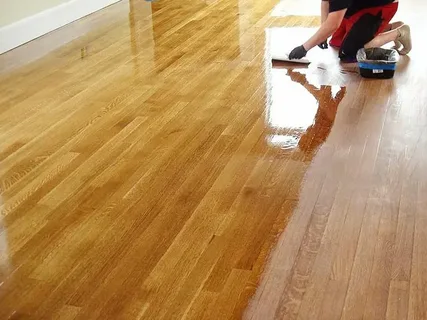
Hardwood floors add warmth, character, and lasting appeal to a home. However, daily foot traffic, moving furniture, pets, and sunlight can gradually leave them looking dull or scratched. When the wood remains in good condition but the finish shows signs of wear, refinishing can help renew its appearance without replacing the entire floor.
FLOORSbay Inc provides flooring solutions for residential and commercial properties, including hardwood floor refinishing, wood flooring, laminate, luxury vinyl plank, and carpet. With the right approach to sanding, repairs, and finishing, homeowners can improve the appearance of existing hardwood while preserving its original character.
Signs Your Hardwood Floors May Need Refinishing
Not every worn floor needs replacement. In many cases, the boards remain structurally sound, but the protective finish has deteriorated. Recognizing these signs can help you determine when to arrange a professional assessment.
Common indicators include:
- Dull or faded areas: High-traffic sections may look different from less-used parts of the room.
- Surface scratches: Furniture movement, shoes, and pet claws can leave visible marks.
- Uneven coloring: Sunlight and everyday use may cause some areas to appear lighter or darker.
- Worn protective coating: Water may no longer bead on the surface as it once did, although this alone does not confirm that refinishing is necessary.
- Minor surface imperfections: Shallow scratches and worn patches can sometimes be improved through sanding and refinishing.
Deep gouges, loose boards, significant water damage, or structural problems may require repairs before refinishing. A flooring professional can inspect the wood and recommend a suitable solution.
Understanding the Hardwood Floor Refinishing Process
A successful refinishing project requires more than applying a fresh coat of finish. The existing floor must be evaluated, prepared, and treated according to its condition and material.
1. Inspect the Existing Floor
Before work begins, assess the floor for scratches, stains, loose boards, gaps, and previous repairs. The type of wood and the thickness of the remaining wear layer also matter, especially if the floor has been sanded before.
Some engineered hardwood products have a limited surface layer and may not tolerate conventional sanding. An inspection helps determine whether refinishing is appropriate.
2. Prepare the Room and Surface
Furniture, rugs, and movable objects generally need to be removed from the work area. The flooring team should also identify areas that need repair and protect nearby surfaces as needed.
Proper preparation helps the sanding process proceed evenly and reduces the risk of damage to adjoining rooms, trim, and fixtures.
3. Sand the Worn Finish
Sanding removes the old surface coating and helps create a suitable base for the new finish. The amount of sanding depends on the existing coating, surface damage, and condition of the wood.
Professional hardwood floor refinishing services can help homeowners understand the steps involved in restoring their floors. The specific approach should depend on the material rather than a one-size-fits-all method.
4. Choose a Stain or Natural Wood Appearance
After sanding, homeowners may choose to change the floor’s color or retain a more natural wood appearance. Light finishes can create a bright, understated look, while medium and darker stains may introduce warmth and contrast.
Before selecting a stain, consider your wall colors, cabinetry, furniture, natural lighting, and the wood species. Samples can help you understand how a shade looks in the actual room.
5. Apply a Protective Finish
The final finish helps protect the wood and determines the floor’s sheen. Matte and satin options offer a softer appearance, while glossier finishes reflect more light.
The appropriate finish depends on the desired look, maintenance expectations, and everyday use of the space. Follow the product’s drying and curing instructions before walking on the floor normally or moving furniture back into the room.
Benefits of Refinishing Instead of Replacing Hardwood
When the existing boards are suitable for restoration, refinishing can offer several practical benefits.
Preserves existing materials: Refinishing can extend the useful life of hardwood that remains structurally sound.
Refreshes the interior: A renewed surface can make a room feel cleaner and more coordinated with updated furniture or décor.
Offers design flexibility: A new stain or finish can change the appearance of the floor without requiring a complete replacement.
Addresses surface wear: Appropriate sanding and finishing can improve many shallow scratches, dull patches, and minor imperfections.
May reduce renovation waste: Keeping usable boards in place can limit the amount of old flooring that must be removed and discarded.
However, refinishing is not suitable for every floor. Severe moisture damage, extensive board deterioration, or an insufficient wear layer may require another solution.
How to Maintain Refinished Hardwood Floors
After refinishing, regular care helps preserve the appearance of the new surface. Follow the finish manufacturer’s recommendations because different products may have different cleaning and maintenance requirements.
Use these practical habits:
- Sweep or vacuum regularly with equipment suitable for hardwood.
- Wipe spills promptly rather than allowing moisture to sit on the floor.
- Place protective pads beneath furniture legs.
- Use rugs in busy entryways, provided they are compatible with the floor finish.
- Avoid excessive water and harsh cleaning products.
- Keep pet nails trimmed to help reduce surface scratches.
- Follow the recommended waiting period before placing rugs or heavy furniture on newly finished floors.
Routine care cannot prevent every scratch, but it can reduce avoidable wear and help the finish last longer.
Hardwood Floor Refinishing in Fairfax and Ashburn, VA
Homes across Northern Virginia feature different hardwood species, interior styles, and levels of everyday use. A suitable refinishing plan should account for the condition of the existing floor and the way each household uses its rooms.
For homeowners considering hardwood floor refinishing in Fairfax, VA, an inspection can help determine whether sanding and a new protective finish are appropriate. It can also identify repairs that should be completed before the final coating is applied.
Homeowners exploring flooring improvements in Ashburn, VA, can also consider whether refinishing is a practical way to refresh existing hardwood. Comparing restoration with replacement helps clarify the likely scope of work, material requirements, and project budget.
Before starting, discuss the condition of your floor, preferred finish, expected timeline, and preparation requirements with your contractor. These details help establish realistic expectations and reduce surprises during the project.
Choosing a Hardwood Flooring Contractor
The quality of the finished floor depends on both the materials and the preparation. When comparing contractors, look for clear communication and a process that addresses the condition of your specific flooring.
Ask potential providers:
- Will the existing wood be inspected before sanding is recommended?
- Are repairs included in the estimate or priced separately?
- Which stain and finish options are available?
- How long should the floor remain unused during drying and curing?
- What maintenance products and cleaning methods are recommended?
- Are the project scope, costs, and expected schedule documented?
A clear estimate should explain the work being performed and identify any factors that could change the final cost.
Conclusion
Hardwood floor refinishing can restore the appearance of worn floors while preserving usable wood. By evaluating the existing surface, addressing necessary repairs, selecting an appropriate stain, and applying a suitable protective finish, homeowners can refresh their interiors without automatically replacing their flooring.
FLOORSbay Inc offers a range of flooring solutions for homeowners considering updates in Northern Virginia. Whether your floor needs refinishing or a different flooring option, start with an assessment of its condition and a clear understanding of your goals.
Frequently Asked Questions
How do I know whether my hardwood floors can be refinished?
A professional assessment should consider the wood species, surface damage, remaining wood thickness, previous sanding, and any moisture-related problems. Solid hardwood is often suitable for refinishing, while some engineered products have limited sanding capacity.
Can refinishing remove every scratch?
No. Sanding can improve many shallow scratches and worn areas, but deep gouges, dark stains, and damage that extends into the wood may need additional repairs or may remain visible.
How long does hardwood floor refinishing take?
The timeline depends on the room size, floor condition, repairs, and finish system. Sanding and coating may take several days, and additional curing time may be necessary before normal use.
Should I stain hardwood floors during refinishing?
Staining is optional. You can choose a new color or keep a natural wood appearance, depending on the species and desired result. Testing samples before making a final decision can help avoid unexpected color differences.
How should I clean refinished hardwood floors?
Use a cleaner approved for your particular finish, remove loose dirt regularly, and wipe spills promptly. Avoid excessive water, steam cleaning unless specifically approved, and abrasive products that may damage the protective coating.