
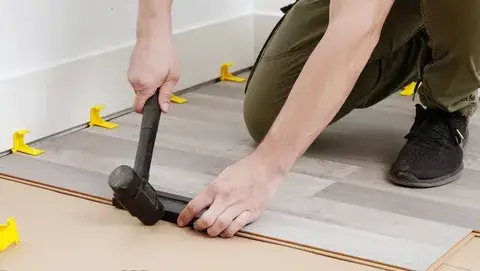
Flooring has to handle much more than foot traffic. Daily spills, furniture movement, pets, changing temperatures, cleaning, and moisture can all affect how a floor performs over time. For homeowners who want the visual character of wood or stone without the same maintenance demands, precision LVT flooring installation services offer a practical option for many interior spaces.
FLOORSbay Inc provides LVT, LVP, hardwood, laminate, carpet, waterproof flooring, and other flooring solutions across Northern Virginia. Luxury vinyl tile is especially useful for property owners who want design flexibility while still considering durability, maintenance, and everyday comfort.
Choosing LVT involves more than selecting a pattern from a sample board. The existing subfloor, room conditions, traffic level, moisture exposure, installation method, and transitions to neighboring floors all influence the finished result. When those details are considered before installation begins, homeowners can make decisions based on how the floor will actually function.
For properties in Sterling and Triangle, understanding these practical factors can make an LVT project easier to plan and reduce avoidable installation problems.
Start With the Room Before Choosing the LVT Style
An attractive flooring sample can quickly influence a buying decision, but the room itself should guide material selection first. A busy kitchen, quiet bedroom, basement, office, and commercial hallway all place different demands on flooring. Traffic frequency, moisture exposure, sunlight, furniture, pets, and cleaning habits should therefore become part of the selection process before color or pattern takes priority.
Match LVT Performance to Everyday Conditions
Practical residential LVT flooring can work in many areas because luxury vinyl tile is available in a wide range of visual styles and performance levels. However, homeowners should still compare product specifications instead of assuming every LVT option performs identically. Wear-layer construction, surface texture, thickness, and manufacturer requirements may differ between products.
Rooms exposed to occasional spills can benefit from purpose-selected waterproof LVT flooring, especially when the product and installation system are intended for those conditions. Kitchens, bathrooms, laundry areas, entryways, and basements often receive more moisture than bedrooms or formal living rooms, so the floor should suit the specific environment.
Style still matters, but it should follow practical requirements. Once homeowners understand the room’s traffic, moisture, and maintenance needs, they can narrow the choices to colors and textures that fit the interior without sacrificing everyday performance.
Subfloor Condition Can Influence the Entire Installation
Luxury vinyl tile follows the surface beneath it closely. Small dips, raised areas, leftover adhesive, cracks, or debris may become visible or affect flooring performance after installation. For that reason, professional preparation should begin before the first tile is positioned rather than after problems appear on the finished surface.
A Smooth Floor Begins Below the Visible Material
Detailed LVT flooring installation services should include an assessment of the existing surface and the preparation required for the selected flooring system. Contractors may need to remove old material, clean the area thoroughly, address uneven sections, or perform other preparation based on site conditions and manufacturer requirements.
Accurate luxury vinyl tile installation depends on clean measurements and consistent surface conditions. A floor that looks level from across the room may still contain localized irregularities that become noticeable once tightly fitted flooring covers the area. Doorways, cabinets, fixed fixtures, and floor transitions also need to be measured before installation begins.
Preparation may not provide the visual excitement of choosing a new flooring pattern, yet it can strongly influence the finished result. Property owners should therefore ask how the existing floor will be evaluated and what corrective work is included before assuming installation begins immediately after old flooring is removed.
Use Layout Planning to Make the Finished Floor Look Intentional
Flooring layout influences how a room feels even when homeowners cannot immediately explain why. Tile orientation, starting points, cuts at walls, doorway transitions, and pattern placement can create either a balanced appearance or a finish that seems awkward around the room’s edges.
Plan Visible Areas Before Making the First Cuts
For homeowners considering expert luxury vinyl tile installation in Sterling, VA, layout decisions should take room dimensions and sightlines into account before material is permanently placed. Sterling’s area page specifically identifies luxury vinyl tile installation as a flooring service for homes and businesses, making careful layout planning relevant for both residential and commercial spaces.
Refined vinyl tile flooring can imitate wood, stone, and other surfaces, but those visual patterns need thoughtful placement. Wood-look tiles may appear more natural when direction follows the room or main line of sight. Stone-inspired patterns may require attention to repetition so the finished surface does not look overly uniform.
Installers should also consider narrow cuts around walls and cabinets. Moving the starting point slightly can sometimes produce more balanced edge pieces across the room. These details may seem minor during planning, but they become visible every day after furniture returns and the new flooring becomes part of the finished interior.
Think About Moisture Without Assuming Every Vinyl Floor Is the Same
LVT is often chosen for areas where homeowners want flooring that is easier to manage around moisture than some traditional materials. However, moisture resistance does not remove the need to evaluate the room, the subfloor, and the specific flooring product. Water coming from above the finished surface is different from moisture developing underneath it.
Product Features and Site Conditions Should Work Together
Dependable waterproof LVT flooring can be useful in kitchens, bathrooms, laundry rooms, and other spaces where spills are more likely. The advantage is practical because routine household moisture can be easier to manage when flooring is designed for those environments. Still, standing water, plumbing leaks, and persistent subfloor moisture should not be treated as normal flooring conditions.
Professional residential LVT flooring planning should therefore include discussion of the room’s history. If an area has experienced water intrusion, dampness, or previous flooring failure, homeowners should identify the cause before covering the surface with new material. Installing new flooring over an unresolved moisture problem can hide the issue temporarily rather than solve it.
FLOORSbay Inc offers both LVT and waterproof flooring options, so product selection should reflect the conditions in the room rather than relying on a broad assumption about vinyl. A suitable floor combines the correct material, proper preparation, and realistic expectations about how the space will be used.
Consider Traffic Levels in Homes and Commercial Spaces
A flooring material that performs well in a lightly used guest room may face very different demands in an office, retail environment, busy family room, or entrance. Foot traffic frequency, rolling chairs, furniture, dirt carried from outside, and cleaning routines can all increase surface wear.
Select Flooring According to Expected Use
Performance-focused commercial LVT flooring should be chosen with traffic patterns and maintenance routines in mind. Commercial environments may require flooring that handles repeated daily use while maintaining a professional appearance. Product specifications should therefore receive closer attention than appearance alone.
The same principle applies to active homes. Durable vinyl tile flooring can be practical for households with children, pets, frequent guests, or high-use common areas when the chosen product matches those demands. Rugs, furniture pads, and regular removal of abrasive dirt can also help reduce avoidable surface wear after installation.
FLOORSbay Inc works with residential and commercial flooring projects, so property type should be discussed during product selection rather than after the material has already been ordered. A floor performs best when the material is selected for the actual traffic it will receive instead of simply matching a preferred color or price range.
Pay Attention to Transitions, Edges, and Final Details
The center of a new floor usually receives the most attention during installation, yet homeowners often notice the edges when judging the finished room. Doorways, stairs, baseboards, cabinets, and connections to neighboring materials can reveal whether the project was carefully planned.
The Finish Should Connect Naturally With Nearby Floors
Property owners considering vinyl tile flooring in Triangle, VA can benefit from reviewing how the new LVT will meet hardwood, carpet, laminate, tile, or other existing surfaces. Floorsbay’s Triangle page specifically lists LVP and LVT among its flooring options, along with broader installation services for homes and businesses.
Precise luxury vinyl tile installation should account for height differences and transition locations before the main floor is completed. Awkward transitions can create visual interruptions, while poorly placed edge cuts may make an otherwise attractive installation look unfinished.
Homeowners should inspect perimeter areas during the final walkthrough instead of viewing the room only from the doorway. Look at edges near cabinets, transitions between rooms, door clearances, and areas around fixed objects. These details complete the installation and help the new flooring feel integrated with the rest of the property rather than simply placed on top of the previous interior.
Conclusion
Luxury vinyl tile can be a strong flooring choice when homeowners want design variety, manageable maintenance, and material options suitable for active living spaces. The quality of the finished floor, however, depends on decisions made well before installation day. Room conditions, subfloor preparation, product specifications, layout, transitions, and expected traffic should all influence the project.
Comfort-focused residential LVT flooring can serve kitchens, living areas, basements, bedrooms, and other household spaces when the selected product matches how the room is used. For businesses, hard-wearing commercial LVT flooring can provide an attractive surface while addressing the demands of repeated foot traffic and routine cleaning.
Likewise, carefully chosen waterproof LVT flooring can be valuable in moisture-prone areas, but existing water problems should always be addressed rather than covered. Skilled luxury vinyl tile installation then brings those material and planning decisions together through proper preparation, measurement, placement, and finishing.
FLOORSbay Inc serves Northern Virginia communities, including Sterling and Triangle, with LVT and other flooring solutions. A successful project should leave homeowners with more than a new visual style. It should provide a floor that suits the room, connects cleanly with surrounding surfaces, and remains practical for the way the property is used every day.
FAQ’s
Is LVT suitable for kitchens and bathrooms?
LVT can be suitable for kitchens, bathrooms, and other areas where moisture resistance is useful. The specific product should be selected for the room conditions, and existing moisture problems should be corrected before installation begins.
Why does the subfloor need preparation before LVT installation?
Luxury vinyl tile can follow imperfections in the surface underneath it. Proper preparation helps address debris, uneven areas, old adhesive, or other conditions that could affect appearance and flooring performance.
Can LVT be used in commercial properties?
Yes. Commercial-grade LVT options can work in offices, retail areas, and other business environments. Product selection should reflect expected foot traffic, cleaning requirements, and manufacturer specifications.
How should homeowners choose an LVT pattern or color?
Consider room size, existing cabinets, wall colors, lighting, furniture, and neighboring flooring. Samples should be viewed inside the actual room because natural and artificial light can change their appearance.
What should I inspect after LVT flooring is installed?
Review the overall surface along with edges, doorway transitions, cuts around cabinets, floor connections, and other visible details. The finished floor should appear consistent and connect neatly with nearby surfaces.