
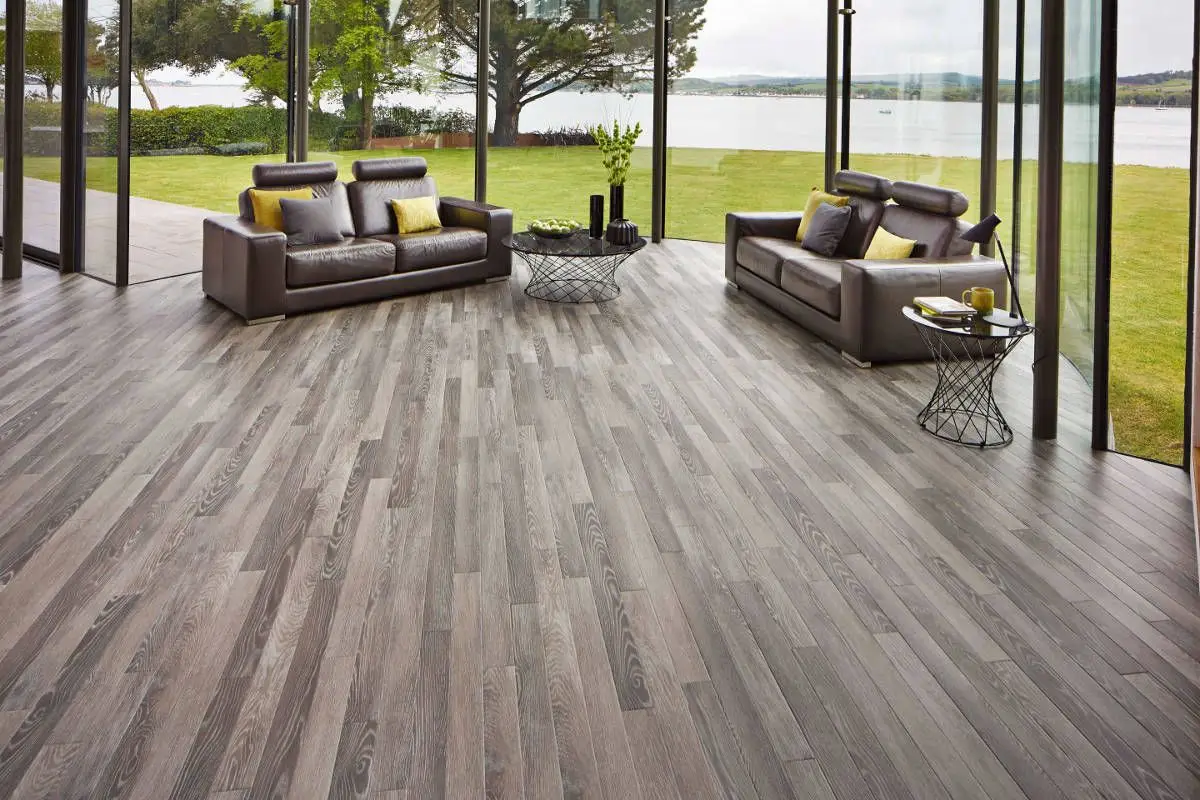
Plan LVP Flooring in Triangle, VA with practical guidance on subfloor preparation, waterproof options, plank layout, installation, durability, and maintenance.
Changing a floor affects much more than the appearance of a room. The surface has to handle foot traffic, furniture, spills, cleaning, and daily movement while still fitting the style of the property. LVP Flooring offers homeowners and businesses a practical option when they want the look of wood with easier maintenance and strong resistance to routine wear. FLOORSbay Inc provides luxury vinyl plank flooring along with installation support for residential and commercial spaces across Northern Virginia.
A successful project begins before the first plank is installed. Room measurements, subfloor condition, moisture exposure, transitions, door clearances, plank direction, and the use of the space all influence the finished result. Choosing a color or grain pattern is important, but installation quality depends on the surface below the flooring and the way the layout is planned. Taking time to evaluate these details helps the floor feel stable, look balanced, and perform more consistently after everyday use begins.
Start With the Existing Subfloor
The subfloor is the foundation of the finished installation. Even high-quality planks can show movement, uneven joints, or unwanted noise when they are placed over a surface that is dirty, damaged, or excessively uneven. Before installation, the existing floor should be inspected for loose sections, high spots, low areas, debris, moisture concerns, and old adhesive that could interfere with the new system.
Preparation depends on what is already in the room. Concrete, plywood, existing resilient flooring, and other surfaces may require different steps before new material is installed. Small irregularities can become noticeable once long planks run across the room. Correcting those conditions before installation is usually easier than trying to solve movement or separation after the floor is complete.
Understand What LVP Flooring Provides
Professional LVP Flooring is designed to combine a decorative wood-look layer with protective and structural layers that support everyday use. The live FLOORSbay service page describes LVP as a multi-layer flooring product with a wear layer, realistic image layer, and waterproof core. That construction helps explain why it is commonly considered for kitchens, bathrooms, basements, living spaces, and other rooms where moisture resistance and easy care are valuable.
The wear layer protects the printed design from routine traffic, while the core provides dimensional support. Thickness, wear-layer specifications, edge design, attached underlayment, installation method, and manufacturer requirements can all influence how a particular product should be used. The right choice depends on the room and the conditions the floor will face.
Waterproof Performance Still Needs Good Planning
Waterproof LVP flooring can be useful in rooms where spills or surface moisture are common, but waterproof flooring does not make the entire building assembly waterproof. Water can still travel around room edges, beneath trim, through wall openings, or from plumbing failures below the finished surface.
For that reason, moisture sources should be addressed before new flooring is installed. A wet subfloor, active leak, or recurring drainage problem should not be covered simply because the new plank has a waterproof core.
Homeowners considering waterproof LVP flooring in Triangle, VA should also think about how the room is cleaned and used. Kitchens, entries, basements, and busy family areas may benefit from a surface that handles routine spills well. Proper perimeter detailing and prompt cleanup still matter for protecting adjacent materials and the subfloor.
Choose Planks for the Actual Room
Color samples can look different once they cover an entire floor. Lighting, wall colors, cabinets, furniture, and room size all affect how a plank appears. Plank width and length also influence visual balance. Wider or longer planks can create a more open look, while shorter patterns may produce more visible joints. The printed grain should be varied during installation so repeated patterns do not cluster in one area.
Finish texture matters as well. Some products use embossed surfaces to mimic wood grain, while others have smoother finishes. Homeowners should choose a texture that supports the desired appearance without making routine cleaning unnecessarily difficult.
Plan the Layout Before Installation
Plank direction can change how a room feels. Installers often consider the longest wall, main sightline, hallway direction, natural light, and connection to adjoining rooms when choosing orientation. The first few rows are especially important because they establish the alignment for the rest of the floor. If the starting line is not square to the room, the final rows may become noticeably tapered. Measuring the room and planning border widths before installation helps avoid very narrow planks along visible walls.
Transitions should also be considered early. Doorways, adjoining flooring materials, stairs, fireplaces, cabinets, and fixed objects can affect cuts and trim details.
Installation Method Must Match the Product
Luxury vinyl plank products may use click-lock, glue-down, or other approved installation methods. Each system has its own preparation and installation requirements. A floating click-lock floor depends on properly engaged joints and required expansion space, while glue-down products rely heavily on substrate preparation and adhesive application.
Professional LVP installation should follow the manufacturer’s instructions for the exact product being used. Mixing methods or ignoring required clearances can affect how the floor performs.
Planks should also be inspected during installation. Damaged edges, visual defects, or pieces with unwanted pattern repetition are easier to manage before they are locked or bonded into place. Careful cutting around door jambs, corners, and fixtures helps the floor look intentional rather than patched together.
Think About High-Traffic Areas
Durable vinyl plank flooring is often chosen for spaces that receive frequent foot traffic, but traffic patterns should still influence product selection. Entryways, kitchens, hallways, family rooms, offices, and commercial spaces may experience more abrasion than low-use bedrooms.
Grit carried in from outside can act like an abrasive, while furniture legs can concentrate pressure on small areas.
Entry mats, felt protectors, regular cleaning, and sensible furniture movement can reduce unnecessary wear. Rolling office chairs may also benefit from protective measures depending on the product requirements.
Prepare Doors, Trim, and Transitions
New flooring changes finished floor height. Even a relatively thin plank can affect door clearance, baseboards, transition strips, appliance movement, and the relationship between adjoining rooms.
Before installation, doors should be checked to make sure they will open after the new floor is in place. Door casings may need to be undercut so planks can slide beneath them for a cleaner finish. Baseboards or shoe molding may need removal and reinstallation depending on the project.
Transition pieces should match both the flooring system and the height difference between surfaces. A doorway between LVP and carpet, tile, or hardwood may need a specific profile.
LVP Planning for Dumfries Properties
Property owners looking for professional LVP installation in Dumfries, VA should start by identifying how each room will be used and what existing surfaces are present. A basement may raise different moisture questions than an upstairs bedroom, while a kitchen remodel may require coordination with cabinets, appliances, and adjoining flooring.
The official Dumfries area page lists luxury vinyl plank flooring among FLOORSbay’s flooring options. For multi-room projects, transitions and visual continuity deserve extra attention. Using the same plank through connected spaces can create a consistent appearance, but changes in subfloor height or room conditions may affect the installation plan.
A room-by-room assessment helps avoid assuming that one preparation method will automatically work throughout the property.
Maintenance Starts With Simple Habits
LVP flooring is generally straightforward to maintain. Routine sweeping or vacuuming removes grit that can scratch the surface, while damp cleaning can address ordinary spills and dirt. Cleaning products should be compatible with the flooring manufacturer’s instructions.
Excessive water should still be avoided during routine cleaning. Although the plank itself may be waterproof, water should not be allowed to sit around perimeter gaps or penetrate areas where it could reach other building materials.
Avoid abrasive pads or harsh products that can dull the wear layer. Felt pads beneath furniture can reduce scratching, and heavy items should be moved carefully rather than dragged.
Common LVP Installation Mistakes
One common mistake is focusing on the plank while ignoring the subfloor. Uneven or unstable surfaces can create movement that becomes visible after installation. Another mistake is beginning without planning the final row widths, which can leave narrow cuts in highly visible areas.
Ignoring expansion requirements can also create problems with floating systems. The flooring needs to be installed according to the product instructions rather than wedged tightly against walls or fixed objects.
Poor pattern mixing is another visual issue. Repeating identical printed planks beside each other can make the floor look artificial. Installers should open multiple cartons and vary plank patterns where the manufacturer recommends it.
Finally, transitions, trim, and door clearances should not be treated as last-minute details. These finishing points strongly influence how professional the completed floor appears.
When LVP Fits the Project
LVP can work well when homeowners want a wood-inspired appearance, moisture resistance, straightforward maintenance, and a surface suited to active rooms. It can be considered for living rooms, kitchens, basements, bedrooms, offices, and other spaces depending on the specific product.
It may not be the automatic choice for every project. Existing subfloor conditions, desired feel underfoot, repair preferences, resale goals, and the character of adjoining floors should all be considered.
A flooring decision should balance appearance with practical factors such as traffic, cleaning, moisture exposure, and long-term use.
Before materials are ordered, measure each room carefully and include reasonable allowance for cuts and layout adjustments. Doorways, closets, alcoves, and irregular walls can change the quantity needed. Ordering too little can interrupt installation, while ordering excessive material increases waste. Keeping a small amount of matching flooring after completion can also be useful if a plank needs replacement later and the exact color or production run becomes difficult to find locally.
Conclusion
LVP Flooring performs best when product selection and installation planning receive equal attention. A durable plank cannot compensate for a poorly prepared subfloor, rushed layout, incorrect transitions, or installation methods that do not follow product requirements. Measurements, moisture conditions, plank orientation, traffic patterns, trim details, and maintenance should all be considered before the project begins.
FLOORSbay Inc provides luxury vinyl plank flooring services for properties across its Northern Virginia service areas, including Triangle and Dumfries. Homeowners can improve project results by reviewing samples in the actual room, understanding how the floor will be used, preparing the substrate correctly, and planning transitions before installation starts. These steps help create a finished surface that looks balanced, handles daily activity, and remains easier to maintain as the space continues to be used.
Frequently Asked Questions
1. What should be checked before installing LVP flooring?
Check the subfloor for cleanliness, stability, uneven areas, moisture concerns, old adhesive, and damage. Also measure door clearances, transitions, perimeter conditions, and adjoining floor heights before installation begins.
2. Is LVP flooring waterproof?
Many LVP products use waterproof cores and resist common surface spills. However, the flooring does not waterproof walls, subfloors, or the entire room, so leaks and moisture problems should still be corrected before installation.
3. Does LVP need a perfectly level subfloor?
The substrate should meet the flatness and preparation requirements specified for the selected product. Significant high or low areas can affect joint performance, appearance, and stability, so preparation should happen before planks are installed.
4. Which direction should LVP planks run?
Direction depends on the room shape, main sightlines, adjoining spaces, natural light, and layout. Measuring first helps determine an orientation that avoids awkward narrow cuts and supports visual continuity.
5. How should luxury vinyl plank flooring be cleaned?
Remove loose grit regularly and use damp cleaning methods and products approved for the flooring. Avoid abrasive pads, harsh chemicals, and excessive standing water that could affect the finish or surrounding materials.
6. Can LVP flooring be installed throughout several rooms?
Yes, depending on the product, room conditions, subfloor levels, and manufacturer requirements. Multi-room installations should be planned carefully for transitions, expansion provisions, plank direction, and differences between existing substrates.