
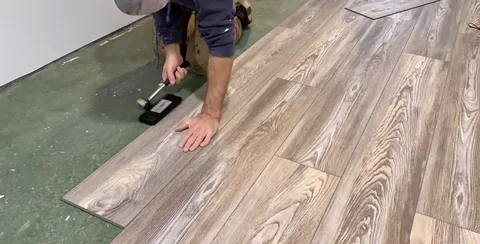
LVP installation has become a practical flooring option for many homeowners in Northern Virginia. It offers the appearance of natural wood while providing good resistance to moisture, scratches, and everyday wear. However, choosing quality planks is only part of getting a long-lasting floor. Proper preparation and installation are equally important. A professional LVP installation requires a level subfloor, accurate measurements, careful cuts, and the right installation techniques. Homeowners in Ashburn often want to understand how the process works and what to expect. This guide from Floors Bay explains the important steps in simple terms before your flooring project begins.
What Does LVP Installation in Ashburn, VA Involve?
A flooring project usually begins with an inspection of the rooms where the new floor will be installed. The installer measures the space, checks the condition of the existing flooring, and looks for moisture or uneven areas. Depending on the situation, carpet, damaged vinyl, or other old flooring may need to be removed. The subfloor is then cleaned and prepared for installation. In some cases, the planks also need time to adjust to the home’s indoor conditions. Proper preparation helps reduce movement and allows the flooring to perform better after installation.
Once the surface is ready, the installation can move forward efficiently. Many luxury vinyl planks feature a click-lock design that allows individual pieces to connect without traditional nails or glue. The installer carefully staggers the seams, maintains the required expansion space around walls, and makes precise cuts around door frames, vents, and other obstacles. Trim and transition pieces are generally installed after the main flooring is completed. A single room may be finished within a day, while a larger project involving several rooms may require additional time for a quality luxury vinyl plank flooring installation in Ashburn.
How Do You Prepare a Subfloor for Vinyl Plank Flooring in Ashburn Homes?
The condition of the subfloor plays a major role in how the finished floor looks and feels. Because vinyl planks can show imperfections underneath them, uneven areas should be corrected before installation. Installers typically inspect the surface for dips, raised areas, cracks, and other problems. Low spots may need leveling material, while high areas can require sanding or other preparation. Concrete surfaces also need moisture testing before flooring is installed. Addressing these issues early can help prevent movement, uneven seams, or visible imperfections after the new flooring is completed.
Basements in Ashburn may require additional preparation because concrete slabs can retain or release moisture. The slab should be properly evaluated and allowed to meet the flooring manufacturer’s requirements before installation. Depending on the product and site conditions, a suitable moisture-control solution may be recommended. Waterproof vinyl plank flooring for basements can be a practical choice in areas where occasional moisture is a concern. However, even water-resistant flooring needs a properly prepared surface. A professional LVP installation should always begin with a careful inspection and preparation of the surface underneath.
How Much Does LVP Installation Cost in Ashburn, VA?
The price of a flooring project can vary based on several factors. These include the type and quality of the LVP, total square footage, room layout, condition of the subfloor, and amount of preparation required. Labor is commonly calculated based on the size of the installation area, while flooring materials are priced separately or included in the overall project estimate. Removing existing flooring, repairing the subfloor, moving obstacles, and disposing of old materials can also affect the final price. When reviewing estimates, homeowners should make sure they understand exactly what services are included.
Homeowners searching for the cost of LVP installation in Ashburn, VA per square foot may notice that online estimates can vary significantly. National pricing information can provide general guidance, but local project conditions are more useful when planning a specific installation. Stairs, narrow hallways, closets, unusual room shapes, and detailed cuts can increase labor requirements. Floors Bay provides a written estimate after evaluating the project, helping homeowners understand the expected work. This also makes it easier to select flooring based on the needs of different areas of the home.
Why Do Ashburn Homeowners Choose Waterproof Vinyl Plank Flooring?
Homeowners in Northern Virginia experience different weather conditions throughout the year. Summers can be warm and humid, while winters bring cold temperatures and changing indoor humidity levels. Unlike natural wood, vinyl flooring is less affected by normal changes in moisture and temperature. This makes it an attractive option for kitchens, entryways, living areas, and other busy spaces. LVP is also relatively easy to maintain because routine cleaning usually requires sweeping or vacuuming followed by appropriate damp mopping. Its combination of appearance, durability, and convenient maintenance makes it a popular flooring choice.
Basements are another area where waterproof flooring can provide useful benefits. Waterproof vinyl plank flooring for basements can handle everyday moisture concerns better than many traditional flooring materials. It can also give a finished basement a warmer and more polished appearance than bare concrete. Homeowners planning luxury vinyl plank flooring installation in Ashburn may choose to continue the same flooring throughout connected areas to create a consistent look. Floors Bay can help homeowners consider factors such as room usage, expected traffic, and product durability when selecting an appropriate LVP option.
Conclusion
A successful LVP project depends on more than selecting an attractive flooring style. Proper subfloor preparation, moisture assessment, accurate installation, and suitable product selection all contribute to the final result. Before beginning a project, homeowners should consider the condition of the existing floor, the amount of traffic each room receives, and the specific requirements of the selected LVP product. If you are planning a luxury vinyl plank flooring installation in Ashburn, ask for a written estimate that explains the cost of LVP installation inPurcellville VA per square foot along with preparation and installation services. For basement areas, waterproof vinyl plank flooring for basements can be a practical option. Floors Bay helps Ashburn, VA homeowners plan and complete LVP flooring projects with careful preparation and professional installation.
Frequently Asked Questions
How long does an LVP floor take to install in an Ashburn home?
The installation time depends on the number of rooms, floor condition, and layout. A straightforward single-room project may be completed in about a day, while a larger main-level installation can take several days. Subfloor repairs, removal of existing flooring, detailed cuts, and other preparation work may extend the schedule.
Can vinyl planks go over my existing floor?
In many situations, vinyl planks can be installed over an existing hard surface if it is clean, dry, stable, and sufficiently level. Tile, hardwood, and properly bonded vinyl may qualify depending on the product requirements. Carpet generally needs to be removed. An installer should also check door clearances and floor height before installation.
Is waterproof vinyl plank flooring really waterproof?
Many waterproof vinyl plank products are designed to resist water and prevent the plank material from swelling or warping. However, water can still reach the subfloor through seams, edges, or damaged areas if it remains on the floor for an extended period. Spills should therefore be cleaned promptly, particularly around kitchens, bathrooms, and exterior entrances.
Do I need a vapor barrier over concrete?
The answer depends on the concrete slab, flooring product, moisture conditions, and manufacturer’s installation requirements. Concrete can contain or transmit moisture even when the surface appears completely dry. Moisture testing can help identify potential concerns. Based on the results and product specifications, an appropriate moisture-control method may be recommended.
How do I care for the floor after installation?
Regular maintenance is usually simple. Sweep or vacuum the floor regularly to remove dirt and grit that can cause surface wear. Use a damp mop with a cleaner approved for vinyl flooring when needed. Avoid abrasive products, wax, and cleaning methods that are not recommended by the manufacturer. Felt pads under furniture can also help reduce scratches and pressure marks.