
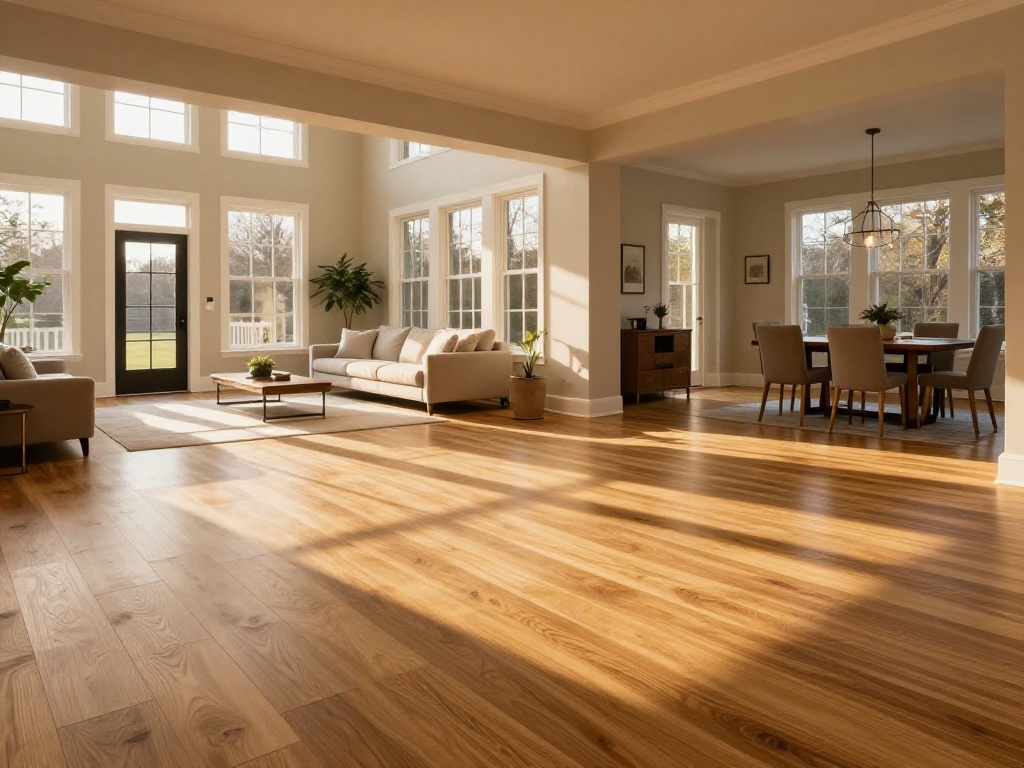
Get durable, stylish floors with LVP installation in One Loudoun, VA. Learn material options, costs, and how to avoid common flooring mistakes.
Your carpet is stained, your hardwood is scratched, and you are tired of looking at flooring that shows every spill and every footstep. You have heard about luxury vinyl plank, seen it in showrooms, and maybe even brought home a sample. But you are not sure whether LVP is right for your home, how the installation actually works, or what separates a good job from one that looks cheap within a year. An LVP installation in One Loudoun, VA involves specific considerations for our climate, our building styles, and the wear patterns of modern family life. FloorsBay has been installing LVP and other flooring throughout Northern Virginia long enough to know where these jobs go wrong and how to get them right. This article shares what every homeowner here should understand before making a decision.
What LVP Installation Actually Involves
LVP stands for luxury vinyl plank, a flooring material made from multiple layers of PVC with a printed design layer that mimics wood or stone, topped with a clear wear layer for protection. Installation methods include glue-down, where planks adhere directly to the subfloor; click-lock floating, where planks connect to each other without adhesive; and loose-lay, which relies on friction and weight to stay in place. The right method depends on your subfloor condition, the room’s moisture exposure, and the specific product you choose.
Professional LVP installation in One Loudoun, VA , we’ve noticed that most homeowners choose LVP for its durability, water resistance, and lower cost compared to hardwood. Those are all valid reasons, but the real advantage is often misunderstood. LVP handles the humidity swings common in Northern Virginia better than solid hardwood, which expands and contracts with seasonal moisture changes. It also stands up to the active lifestyles common in Loudoun County families, kids, pets, and entertaining without the maintenance demands of natural wood.
The material comes in various thicknesses, wear layer densities, and core constructions. Standard LVP has a flexible core and works well on flat, stable subfloors. Rigid core options like SPC, stone plastic composite, or WPC, wood plastic composite, provide more dimensional stability and can bridge minor subfloor imperfections. The wear layer thickness, measured in mils, determines scratch resistance. A 12-mil wear layer suits residential bedrooms and living rooms. A 20-mil or thicker layer handles high-traffic areas, pet claws, and active households better.
The Real Challenge in One Loudoun, VA
Northern Virginia’s climate and construction trends create flooring challenges that installers from other regions do not always recognize. The area experiences significant humidity swings between summer and winter, which affects how floating floors expand and contract. Basements in Loudoun County homes often have concrete slabs with moisture vapor transmission that can damage adhesive installations if not properly tested and mitigated. Newer homes in planned communities like One Loudoun frequently have open-concept layouts with long runs of flooring that require expansion joints and proper transition planning to prevent buckling.
A client Trusted LVP installation in One Loudoun, VA reached out when their newly installed click-lock LVP started separating at the seams and showing gaps along the longest wall of their open-concept living area. The previous installer had run continuous planks across a 40-foot span without installing expansion breaks or transitions between rooms. When summer humidity caused the planks to expand, they had nowhere to go and buckled along the edges. We had to remove the affected sections, install proper transition strips at logical break points, and relay the floor with adequate perimeter expansion gaps. The homeowner paid for the correction because the original installer had disappeared after collecting payment.
Here is the objection most competitors never answer honestly: not every LVP product works in every room. Some products are rated for light residential use only and will fail quickly in kitchens, entryways, or homes with large dogs. Some adhesive-down products cannot handle the moisture vapor emission rates common in Northern Virginia basements. Companies that push the same product for every application without evaluating your specific conditions are prioritizing their inventory turnover over your long-term satisfaction. A honest assessment matches the product to your home, your lifestyle, and your subfloor conditions.
How FloorsBay Approaches It Differently
FloorsBay starts every project with a subfloor evaluation and moisture test, not a product pitch. We check for flatness using industry standards, typically no more than 3/16 inch variation over 10 feet. We test concrete slabs for moisture vapor emission rates using calcium chloride tests or relative humidity probes. We inspect existing flooring for asbestos if the home was built before 1980. Skipping that assessment means installing over conditions that guarantee failure, and we do not guess when it comes to something you walk on every day.
We also factor in One Loudoun’s specific building conditions. For homes with radiant heating systems, which are increasingly common in newer Loudoun County construction, we select LVP products rated for temperature exposure and install them with proper acclimation and expansion planning. For basements and ground-level installations, we specify moisture barriers or underlayment systems that handle the vapor transmission common in our clay-heavy soils. Most generic flooring articles never mention this, but subfloor conditions in Northern Virginia directly determine whether your LVP lasts ten years or starts failing in two.
Working with clients Affordable LVP installation in One Loudoun, VA , our team found that homeowners in this area value both aesthetics and resale value. We often recommend wood-look planks in wider formats with matte finishes because they appeal to the Loudoun County buyer pool and hide minor scratches better than high-gloss options. We also help clients plan layout patterns that complement open floor plans rather than fighting them. That practical guidance comes from years of seeing what works in real homes here, not just what looks good in a showroom.
Practical Tips: What to Know Before You Decide
Before you hire an affordable LVP installation contractor in One Loudoun, VA, consider these points.
Verify the installer’s experience with your specific product and installation method. Glue-down, click-lock, and loose-lay each require different skills and tools. A contractor who primarily installs carpet may struggle with the precision cutting and layout planning that LVP demands. Ask how many LVP jobs they have completed and whether they have worked with your chosen product line.
Ask about acclimation time. LVP needs to sit in the installation environment for 48 to 72 hours before installation so it adjusts to the room’s temperature and humidity. Skipping acclimation causes expansion and contraction issues after installation. Any contractor who wants to start immediately after delivery is cutting a corner that will cost you later.
Get a detailed quote that specifies the product line, installation method, underlayment type, transition pieces, and removal and disposal of existing flooring. Vague quotes like “$4 per square foot installed” leave room for add-ons that inflate the final price. A detailed quote protects both you and the installer from misunderstandings.
One local market-specific tip: if your One Loudoun home has in-floor radiant heat, verify that your chosen LVP product is rated for temperatures up to 85 degrees Fahrenheit at the surface. Some LVP products warp or off-gas when exposed to radiant heat temperatures. The wrong product voids the flooring warranty and creates indoor air quality issues. A knowledgeable installer asks about your heating system before recommending products.
What to Expect Once Your LVP Is Installed
A properly executed LVP installation should give you a floor that looks like wood or stone, feels solid underfoot, and handles the daily wear of your household without showing damage. You should notice consistent plank alignment, tight seams, smooth transitions between rooms, and no hollow spots or clicking sounds when you walk. The floor should stay stable through Northern Virginia’s seasonal humidity changes without gapping, buckling, or lifting at the edges.
If you are considering a professional LVP installation in One Loudoun, VA, start with a thorough subfloor assessment and honest conversation about which product and method suit your home. Ask hard questions about moisture testing, acclimation, expansion planning, and warranty terms. Do not sign anything until you understand exactly what is included and why each step matters. FloorsBay handles LVP installations throughout One Loudoun and Loudoun County with the experience that comes from years of working in this specific market. Reach out for an evaluation, and we will give you a clear picture of what your flooring project needs and what it does not.
FAQs
How much does LVP installation cost in One Loudoun, VA?
Material and labor typically run $4 to $10 per square foot depending on product quality and installation complexity. A standard 500-square-foot area costs $2,000 to $5,000. Subfloor prep, removal of existing flooring, and transition pieces add to the total. Always get a detailed written estimate.
How do I know an LVP installer is legitimate?
Check for a Virginia Class C contractor license, verify general liability insurance, and ask for local references with photos of completed jobs. A legitimate installer explains their subfloor prep process, provides a written contract with product specifications, and does not pressure you for an immediate decision.
How long does LVP installation take?
A typical room takes one to two days including subfloor prep, acclimation, installation, and transitions. Whole-home projects span three to five days depending on square footage and layout complexity. Additional time is needed if subfloor repairs or moisture mitigation are required.
Can LVP be installed over existing tile or hardwood?
Sometimes, but it depends on the condition and height of the existing floor. The added height may cause issues with doors, cabinets, and transitions. Uneven surfaces telegraph through thin LVP. A proper installer evaluates whether removal or an underlayment bridge is the better approach for your specific situation.
Is LVP really waterproof, or just water-resistant?
Most LVP is water-resistant, meaning it handles spills and moisture exposure better than hardwood or laminate. Some products are marketed as waterproof, which typically refers to the plank material itself, not the seams or subfloor. Standing water can still seep through seams and damage the subfloor, so prompt cleanup matters even with waterproof-rated products.